
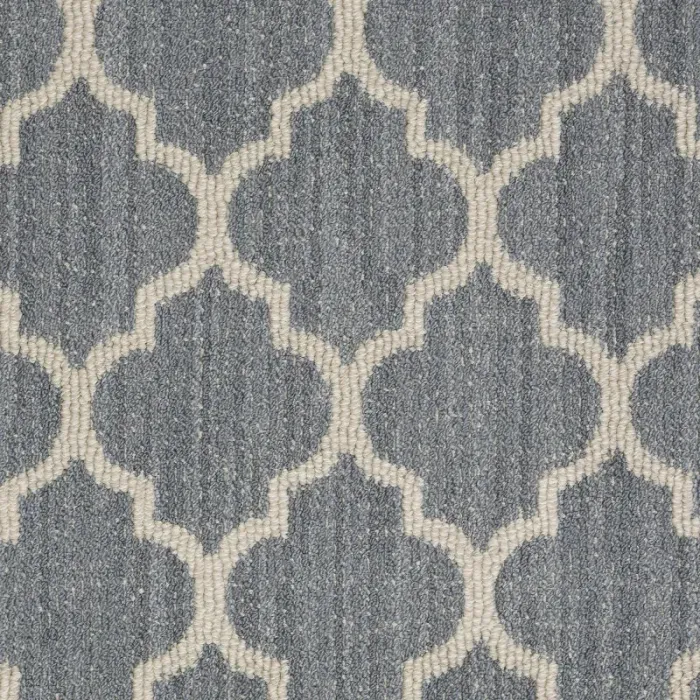
Wall-to-wall carpet is carpet installed edge-to-edge across an entire room, stretched over padding and secured to tack strips along the perimeter, as opposed to a loose area rug that simply sits on top of a hard floor. It is the most common way carpet has been installed in U.S. homes for the last 60 years, and it still covers more square footage in San Diego bedrooms than any other flooring type. Full pricing and fiber options are on our carpet installation in San Diego page.
Homeowners comparing wall-to-wall carpet against hard surface options like laminate or luxury vinyl plank usually want a straight answer on cost, comfort, and how long it actually lasts. This guide covers what wall-to-wall carpet is, how it differs from area rugs and carpet tile, what it costs installed in 2026, and where it makes sense in a modern home.
- Installed cost: $3 to $8 per square foot (material, pad, and labor)
- Lifespan: 5 to 15 years depending on fiber and traffic
- Best rooms: Bedrooms, home theaters, formal living rooms
- Worst rooms: Kitchens, bathrooms, entryways, laundry rooms
- Sound reduction: Cuts impact noise by roughly 20 to 25 decibels versus hard flooring
- Warranty note: Requires professional power-stretch installation to stay valid on most brands
Want real samples in your own lighting? Request a free in-home estimate or call +1 (619) 777-4334.
What Wall-to-Wall Carpet Actually Is
Wall-to-wall carpet is a single continuous piece of carpet (or several pieces seamed together) that covers the full floor area of a room, from one wall to the other, with no exposed hard flooring around the edges. It is installed over a cushioned pad and secured with tack strips, thin wood or metal strips with angled pins that grip the carpet backing along the perimeter of the room.
The installer power-stretches the carpet across the room before hooking it onto the tack strips, which removes slack and prevents rippling or buckling later. This is different from a loose lay or a knee-kicked install, which is why the installation method matters as much as the carpet itself. The Carpet and Rug Institute (CRI) publishes the industry installation standard (CRI 105) that most manufacturer warranties reference.
Wall-to-Wall Carpet vs Area Rugs and Carpet Tile
These three products are often confused, but they behave very differently in a home:
| Type | Coverage | Installation | Movable |
|---|---|---|---|
| Wall-to-wall carpet | Entire room, edge to edge | Stretched over pad, tacked at perimeter | No |
| Area rug | Partial, sits over a hard floor | None, laid on top | Yes |
| Carpet tile (modular) | Full or partial, in 18 to 24 inch squares | Glued or peel-and-stick, no pad | Individual tiles can be swapped |
Carpet tile is common in offices and rec rooms because a stained or worn tile can be replaced individually without redoing the whole floor. It costs $2 to $6 per square foot installed but does not have the same cushioned, seamless feel as wall-to-wall carpet with a separate pad underneath. Area rugs let you change styles without a full replacement, but they do not provide the same sound dampening or wall-to-wall warmth underfoot.
Pros of Wall-to-Wall Carpet
- Lowest cost per square foot. At $3 to $8 per square foot installed, wall-to-wall carpet is cheaper than laminate ($3 to $7), LVP ($4 to $9), hardwood ($8 to $15), or tile ($7 to $15).
- Sound dampening. Carpet and pad together reduce impact noise (footsteps, dropped objects) by roughly 20 to 25 decibels compared to a hard surface, which matters most in upstairs bedrooms and multi-story homes.
- Warmth underfoot. Carpet has a much higher R-value (thermal insulation) than any hard flooring, which keeps bedrooms noticeably warmer on cold tile-adjacent mornings.
- Cushioned fall protection. The pad underneath softens falls, which is a real factor for young kids and older adults.
- Fast installation. A standard bedroom takes 1 to 2 hours to install. A full 1,500 square foot home is usually a one-day job.
Cons of Wall-to-Wall Carpet
- Spills and stains are harder to fully remove than on a hard surface. Liquid soaks into the pad and backing, not just the top fiber, so deep spills often need professional extraction rather than a quick wipe.
- Shorter lifespan than hard flooring. Wall-to-wall carpet lasts 5 to 15 years depending on fiber and traffic, versus 15 to 50+ years for LVP, laminate, or hardwood.
- Traps allergens. Dust, pet dander, and pollen settle into carpet fiber. Regular vacuuming with a HEPA filter and annual professional cleaning keeps this manageable, but it is a real consideration for households with severe allergies.
- No mid-life style change. Unlike an area rug, you cannot swap the color or pattern without replacing the whole room.
- Not waterproof. Standing water or repeated moisture (bathrooms, laundry, entryways) will damage the pad and backing over time, which is why we do not recommend it in wet zones.
Wall-to-Wall Carpet Cost
Wall-to-wall carpet costs $3 to $8 per square foot fully installed in 2026, covering carpet, an 8 lb pad, labor, old flooring removal, and basic subfloor prep. A 12x12 bedroom (144 square feet) runs $430 to $1,150. A 1,500 square foot whole-home install runs $4,500 to $12,000.
| Fiber | Installed Cost/sqft | Typical Lifespan |
|---|---|---|
| Polyester | $3.00 - $4.50 | 5-10 years |
| Nylon | $4.50 - $7.00 | 10-15 years |
| Triexta (SmartStrand) | $5.00 - $8.00 | 10-15 years |
| Wool | $8.00 - $15.00 | 15-25 years |
For a full room-by-room and brand-by-brand cost breakdown, see our 2026 carpet installation cost guide. If you are cross-shopping against a hard surface, laminate runs $3 to $7 per square foot installed and LVP runs $4 to $9, both with a much longer lifespan but less cushioning and warmth than wall-to-wall carpet.
Best Rooms for Wall-to-Wall Carpet
Wall-to-wall carpet performs best in dry, low-spill rooms where comfort and sound matter more than moisture resistance:
- Primary and secondary bedrooms. Warmth underfoot and sound dampening are exactly what bedrooms need.
- Home theaters and media rooms. Carpet absorbs sound reflection, improving acoustics, and the soft floor suits a room used mostly for sitting rather than heavy foot traffic.
- Formal living rooms. Lower-traffic formal rooms are a good fit for higher pile heights that would wear out faster in a busy family room.
- Stairs and hallways connecting bedrooms. Carpet reduces noise transfer between floors, which matters in two-story homes.
We do not recommend wall-to-wall carpet for kitchens, bathrooms, laundry rooms, mudrooms, or entryways. For those rooms, see our luxury vinyl plank or tile flooring pages instead.
Wall-to-Wall Carpet Lifespan and Maintenance
Wall-to-wall carpet lasts 5 to 15 years depending on fiber type, pad quality, traffic level, and maintenance. Polyester in a high-traffic room may need replacement in 5 to 7 years. Nylon or triexta in a bedroom regularly reaches 12 to 15 years.
- Weekly: Vacuum with a HEPA-filter vacuum to pull dust and allergens out of the pile, not just the surface.
- Immediately: Blot spills with a clean cloth, do not rub, which pushes the stain deeper into the pad.
- Every 12 to 18 months: Schedule professional hot-water extraction cleaning to remove buildup that vacuuming cannot reach.
- Every 5 to 7 years: Consider re-stretching if you notice rippling near doorways, which is common wear rather than a defect.
Is Wall-to-Wall Carpet Outdated in 2026
No. Wall-to-wall carpet is not outdated, it is simply used more selectively than it was 20 years ago. Homeowners still choose it heavily for bedrooms, media rooms, and stairs, where warmth, sound control, and cost outweigh the durability of hard flooring. It has lost ground only in kitchens, entryways, and open-concept living areas, where hard surfaces now dominate.
Frequently Asked Questions
What Is Wall-to-Wall Carpet Called?
Wall-to-wall carpet is also called broadloom carpet, a term referring to carpet manufactured in wide rolls (typically 12 or 15 feet) meant to cover an entire room rather than being cut into individual tiles or rugs.
Is Wall-to-Wall Carpet Cheaper Than an Area Rug?
Per square foot, wall-to-wall carpet is usually cheaper than a comparable-quality area rug once you include padding, since large area rugs in similar fiber and density often cost more per square foot at retail. However, a single small area rug for one room costs less in total dollars than carpeting that same room wall to wall.
How Long Does Wall-to-Wall Carpet Installation Take?
A standard bedroom takes 1 to 2 hours to install. A full 1,500 square foot home typically takes one full day, including old carpet removal, pad installation, stretching, and seaming.
Can You Put Wall-to-Wall Carpet Over Hardwood?
Yes, tack strips can be installed directly onto hardwood, though most installers recommend against covering hardwood you might want to expose again later. If the hardwood is damaged or you plan to keep carpet permanently, it is a straightforward install.
Does Wall-to-Wall Carpet Need a Pad?
Yes. Nearly every major carpet manufacturer requires a minimum 8 lb density pad to maintain the product warranty. Skipping the pad or using a thin builder-grade pad shortens carpet life by several years and reduces the sound and comfort benefits carpet is chosen for in the first place.
Is Wall-to-Wall Carpet Bad for Allergies?
Wall-to-wall carpet can trap dust, pet dander, and pollen more than a hard surface, but weekly HEPA vacuuming and annual professional cleaning manage this for most households. Severe allergy sufferers are often better served by LVP or laminate in bedrooms instead.
What Is the Difference Between Wall-to-Wall Carpet and Broadloom?
There is no difference. Broadloom is the manufacturing term for carpet made in wide rolls, and wall-to-wall describes how that carpet is installed, edge to edge across a room. The two terms describe the same product used the same way.
How Much Padding Do You Need Under Wall-to-Wall Carpet?
Standard residential rooms use an 8 lb density rebond pad at 7/16 inch thickness. High-traffic areas and stairs benefit from a denser 10 lb pad. Thicker is not always better, pad that is too soft or too thick can void manufacturer warranties and cause premature wear at seams.