
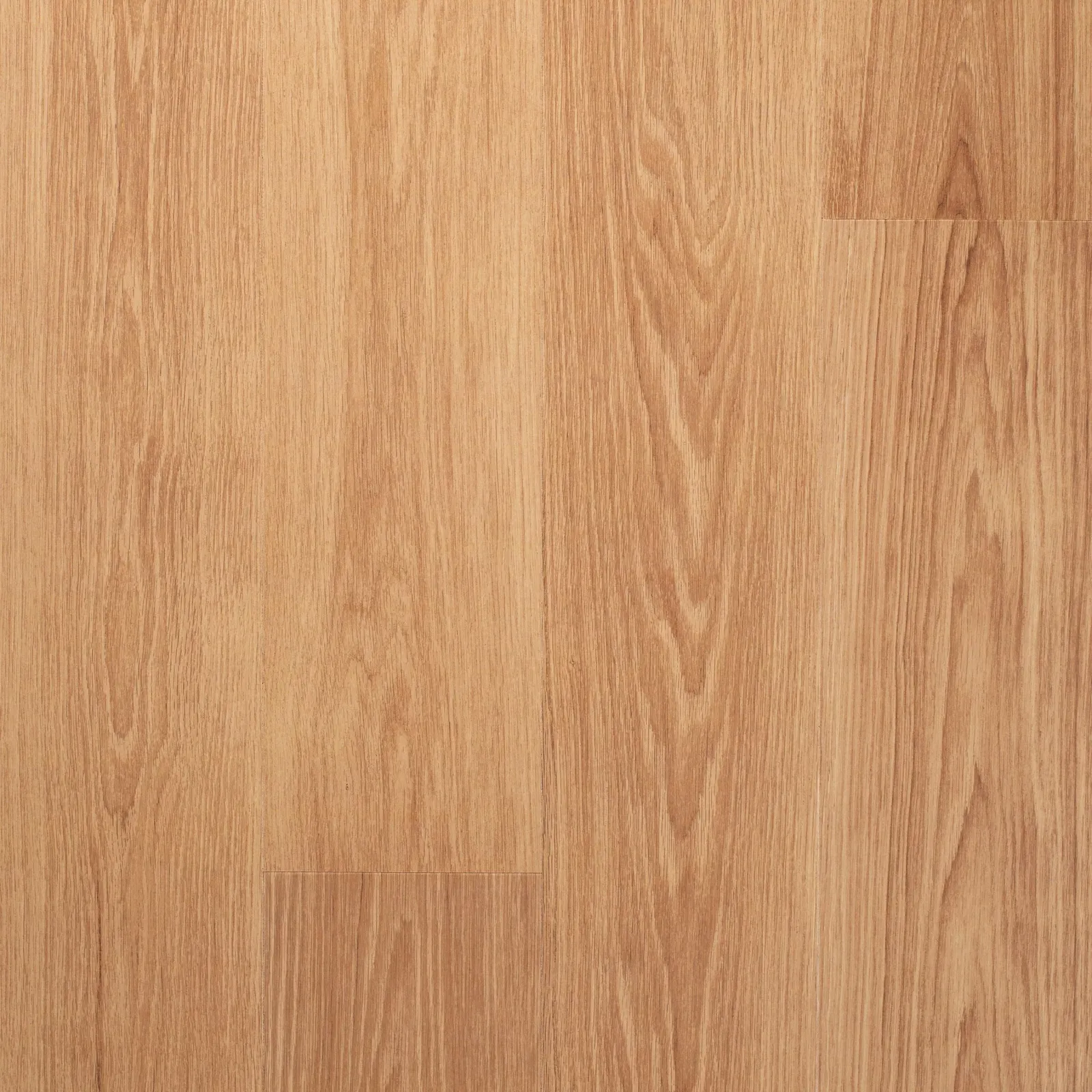
Cork flooring is made from the bark of the cork oak tree, not the wood itself, which is why it behaves nothing like hardwood underfoot. It is soft, warm, naturally resistant to mold and insects, and harvested without cutting down a single tree. It has quietly been a flooring option for over a century (Thomas Edison and Frank Lloyd Wright both used it), yet most San Diego homeowners have never seen it installed and do not know what it costs or where it actually holds up.
We install both glue-down cork tile and floating cork plank across San Diego County, and we also use cork as a sound-dampening underlayment beneath hardwood and laminate in condos and multi-story homes. This guide covers how cork is actually made, where it performs well, where it does not, and what it costs installed.
Curious if cork is right for your home? Request a free in-home estimate or call +1 (619) 777-4334.
What Is Cork Flooring?
Cork flooring is manufactured from the bark of the cork oak tree (Quercus suber), a species native to the western Mediterranean and grown primarily in Portugal, which produces roughly half the world's cork supply. Under a microscope, cork is made up of tens of millions of tiny, air-filled cells per cubic centimeter, sealed with a natural waxy substance called suberin. That cellular structure is what gives cork its spring, its insulating value, and its natural resistance to rot and moisture penetration at the cell level, even though the surface still needs sealing against standing water.
As a flooring material, cork is sold in two formats, glue-down tile and floating click-lock plank, both finished with a factory-applied UV-cured coating for wear resistance. Manufacturers commonly used across San Diego installs include Wicanders, APC, and Globus. We also cross-reference cork sourcing and testing data against the Cork Quality Council when a homeowner asks about a specific product line.
How Cork Flooring Is Made
Cork oak trees are not cut down to make flooring. Workers strip the outer bark by hand with specialized axes, cutting only down to the tree's living inner layer, which stays intact and undamaged. A cork oak is not harvested until it reaches about 25 years old, and after that first harvest, the bark is stripped again every 9 years for the rest of the tree's life, which commonly runs 200 years or more. That 9-year regrowth cycle is tracked and enforced through certification, which is why cork is one of the few flooring raw materials that is fully renewable rather than simply "sustainably logged."
Look for the Forest Stewardship Council (FSC) label on cork flooring products. FSC certification confirms the cork was harvested from a managed forest under rules that protect the tree and the surrounding ecosystem, rather than from an unregulated source.
Harvesting is done by hand, typically between May and August when the bark separates most cleanly from the trunk, by trained workers sometimes called extractors. Each tree is numbered and dated after every harvest so the next crew knows exactly when it is due again, which is how the 9-year cycle stays enforced across an entire forest rather than left to guesswork.
After harvesting, the bark is left to dry and cure for several months, then boiled to soften it and remove tannins. It is granulated, mixed with suberin (cork's own natural binding resin, sometimes supplemented with additional binders), and compressed under heat into large cork blocks. Those blocks are sliced into sheets for glue-down tile, or into thin veneers that get laminated onto a high-density fiberboard (HDF) core for floating plank, similar in construction to how a laminate plank is built. Manufacturing scrap and dust are recompressed into new blocks, so very little of the harvested material is wasted, and the finished product is fully biodegradable at the end of its life.
Pros of Cork Flooring
- Soft and comfortable underfoot. The same air-cell structure that gives cork its spring also cushions joints and reduces fatigue for anyone who stands for long stretches, which is why it shows up in kitchens more than most homeowners expect.
- Sound dampening. Independent ASTM E492 impact-sound testing shows cork reduces impact noise transmission by 15 to 20 decibels compared to a bare concrete slab, which is a meaningful drop for condos, townhomes, and upstairs bedrooms over a living space.
- Naturally antimicrobial. Suberin, the waxy compound in cork's cell walls, naturally resists mold, mildew, and dust mites without a chemical treatment. This makes cork a common pick for allergy-sensitive households.
- Renewable and biodegradable. No tree is cut down to harvest cork bark, the same tree regenerates its bark every 9 years, and the finished flooring is fully biodegradable and largely recyclable at end of life.
- Thermal insulation. Cork's low thermal conductivity keeps floors feeling warmer than tile or vinyl in the same room, which matters in the tile-heavy older homes common across San Diego County.
- Warm, natural look with real design range. Cork comes in a range of grain patterns and factory-tinted colors, from light natural tones to darker stained finishes, so it does not have to look like a 1970s wine cork wall.
Cons of Cork Flooring
- UV fading. Cork lightens and changes tone with years of direct sun exposure. A UV-cured factory finish slows this down considerably compared to older site-finished cork, but it does not stop it entirely. We do not recommend cork in a south-facing room that gets all-day direct sun unless the homeowner accepts some patina change over time.
- Not for full bathrooms. Cork can work in a kitchen with a properly sealed glue-down installation and caulked perimeter, but it is not recommended for a full bathroom with a tub or shower, where standing water and constant humidity exceed what a sealed cork surface can handle long term.
- Dents under concentrated weight. Heavy furniture legs and high heels can leave temporary or permanent indentations, similar to a softwood floor. Furniture pads are worth using under anything heavy.
- Moisture sensitivity below grade. Cork over a concrete slab, especially in a below-grade room, needs a calcium chloride or relative humidity moisture test and often a vapor barrier or moisture-tolerant adhesive before installation. Skipping that test on a damp slab is close to a guaranteed failure.
- Limited refinishing. Cork can be lightly sanded and resealed once, sometimes twice, over its life, but it does not tolerate the repeated deep sanding a solid hardwood floor can handle.
- Fewer installers know it well. Cork is a smaller share of the flooring market than laminate, LVP, or tile, so it is worth confirming your installer has actually set cork before, since acclimation time and adhesive choice matter more than they do with most other materials.
Where Should You Install Cork Flooring in Your Home?
Cork flooring works best in bedrooms, living rooms, home offices, playrooms, and music or media rooms, where its softness, warmth, and sound dampening are the biggest advantage. It also works in kitchens with a properly sealed glue-down installation. It is not recommended for full bathrooms, laundry rooms, or below-grade rooms without moisture testing and mitigation first.
Bedrooms and home offices are close to an ideal match, since cork's insulating value and quiet underfoot feel suit rooms people spend long stretches sitting or standing in. Condos and townhomes benefit from cork's sound-dampening properties directly, both as a finished floor and as an underlayment beneath hardwood, laminate, or tile where HOA rules require a minimum impact-sound rating. Kitchens work with the right glue-down installation and a fully caulked perimeter around the sink, dishwasher, and refrigerator, and homeowners consistently report standing comfort as the biggest benefit there.
Full bathrooms with a tub or shower are the clearest no. Standing water and daily humidity spikes exceed what a sealed cork surface can hold up against long term, and tile or waterproof luxury vinyl plank is the safer call there. South-facing rooms with all-day direct sun are a judgment call rather than a hard no, since fading is gradual rather than a functional failure. We see this question most in bright, glass-heavy homes in coastal areas like La Jolla and Encinitas, and inland spots with strong afternoon sun exposure like Poway, where we walk homeowners through the tradeoff room by room before they commit.
Glue-Down Cork Tile vs Floating Cork Plank
Cork flooring comes in two installation formats, and the right one depends on the subfloor, the room, and how the homeowner wants to handle future repairs.
| Format | Construction | Best For | Repair |
|---|---|---|---|
| Glue-down cork tile | Solid cork tile, full-spread adhesive to subfloor | Kitchens, main living areas, slab foundations | Individual tiles can sometimes be cut out and replaced |
| Floating cork plank | Thin cork veneer laminated to an HDF core, click-lock edges | Bedrooms, condos, upper floors, faster installs | Full plank can be unlocked and swapped without adhesive removal |
| Cork underlayment | Cork sheet or roll installed beneath hardwood, laminate, or tile | Condos and townhomes needing sound-attenuation to meet HOA specs | Not applicable, sits beneath the finished floor |
Glue-down tile is the more traditional format and tends to feel slightly more solid underfoot, since it is bonded directly to the subfloor rather than floating above it. Floating plank installs faster because there is no adhesive cure time, and it is a common upgrade pick for condos where a builder-grade laminate or carpet is being replaced. Both formats arrive with a factory-applied UV-cured finish, which is a meaningful upgrade over older site-finished cork in terms of scratch resistance and fade resistance.
How Much Does Cork Flooring Cost?
Cork sits in the middle of the flooring cost spectrum, more than laminate or standard vinyl plank, less than solid hardwood or natural stone tile. Costs below are fully installed, including standard underlayment and trim:
| Format | Installed Cost/sqft | 500 sqft Room Total |
|---|---|---|
| Floating cork plank | $5.00 - $9.00 | $2,500 - $4,500 |
| Glue-down cork tile | $6.00 - $10.00 | $3,000 - $5,000 |
| Cork sound underlayment only | $1.00 - $2.00 | $500 - $1,000 |
A typical 500 to 1,000 square foot kitchen or main living area installation runs 2 to 3 days from start to finish, including a 72-hour acclimation period where the cork material sits in the home to adjust to indoor humidity and temperature before installation begins. Glue-down jobs generally take a day longer than floating plank because of adhesive cure time between steps. Our free in-home estimate includes a slab moisture check on any ground-floor or slab installation, since that step is standard on every cork job we run.
For comparison, laminate and standard rigid-core vinyl plank typically run $3.00 to $8.00 per square foot installed, while solid hardwood runs $8.00 to $14.00 or more. Cork lands in between, closer to the price of a mid-range engineered hardwood, which is roughly where it sits on comfort and insulation value as well. Homeowners across San Diego County, from San Diego proper out to Carlsbad, most often bring cork into the conversation once they have already priced out hardwood and are looking for something warmer and quieter underfoot at a similar or slightly lower cost.
Frequently Asked Questions
Is Cork Flooring Good for Kitchens?
Yes, with the right installation. Glue-down cork tile with a fully caulked perimeter around the sink, dishwasher, and refrigerator handles kitchen use well. Cleanup is simple, and standing comfort is the benefit most homeowners notice first once it is installed.
Will Cork Flooring Hold Up with Pets?
Reasonably well. Cork's surface gives slightly under claws and resists scratching better than solid hardwood, and the factory UV-cured finish resists staining. Very large dogs with long, untrimmed claws can leave marks over time, so nail trims help extend the finish's life.
Does Cork Flooring Fade in Sunlight?
Yes, cork can lighten or change tone with years of direct UV exposure. A factory UV-cured finish slows this considerably compared to older site-finished cork, but it does not stop it. We generally advise against installing cork in a room with all-day direct sun unless the homeowner is comfortable with gradual color change.
Is Cork Flooring Good for Basements?
Only with proper moisture management. We run a calcium chloride or relative humidity probe test on the slab first and install a vapor barrier or moisture-tolerant adhesive before the cork goes down. Installing cork over a damp, untested basement slab is close to a guaranteed failure.
How Long Does Cork Flooring Installation Take?
A 500 to 1,000 square foot kitchen or living area typically takes 2 to 3 days, including a 72-hour acclimation period before installation starts. Floating cork plank installs faster than glue-down tile since there is no adhesive cure time between steps.
Is Cork Flooring Actually Sustainable?
Yes. Cork is harvested from the bark of the cork oak tree, which regrows every 9 years without the tree being cut down, and the trees themselves commonly live 200 years or more. Look for the FSC certification label to confirm the cork came from a responsibly managed forest.
How Long Does Cork Flooring Last?
A well-maintained cork floor typically lasts 25 to 40 years, depending on foot traffic, sun exposure, and how well the finish is kept sealed. Cork can be lightly sanded and refinished once or twice over its life, though it does not tolerate the repeated deep sanding a solid hardwood floor can handle.
Can Cork Flooring Be Refinished?
Yes, but only lightly and a limited number of times. A light sand and reseal can restore a worn cork floor's finish without replacing the material, but because cork's wear layer is thinner than solid hardwood, it cannot be sanded down repeatedly over decades the way hardwood can.