
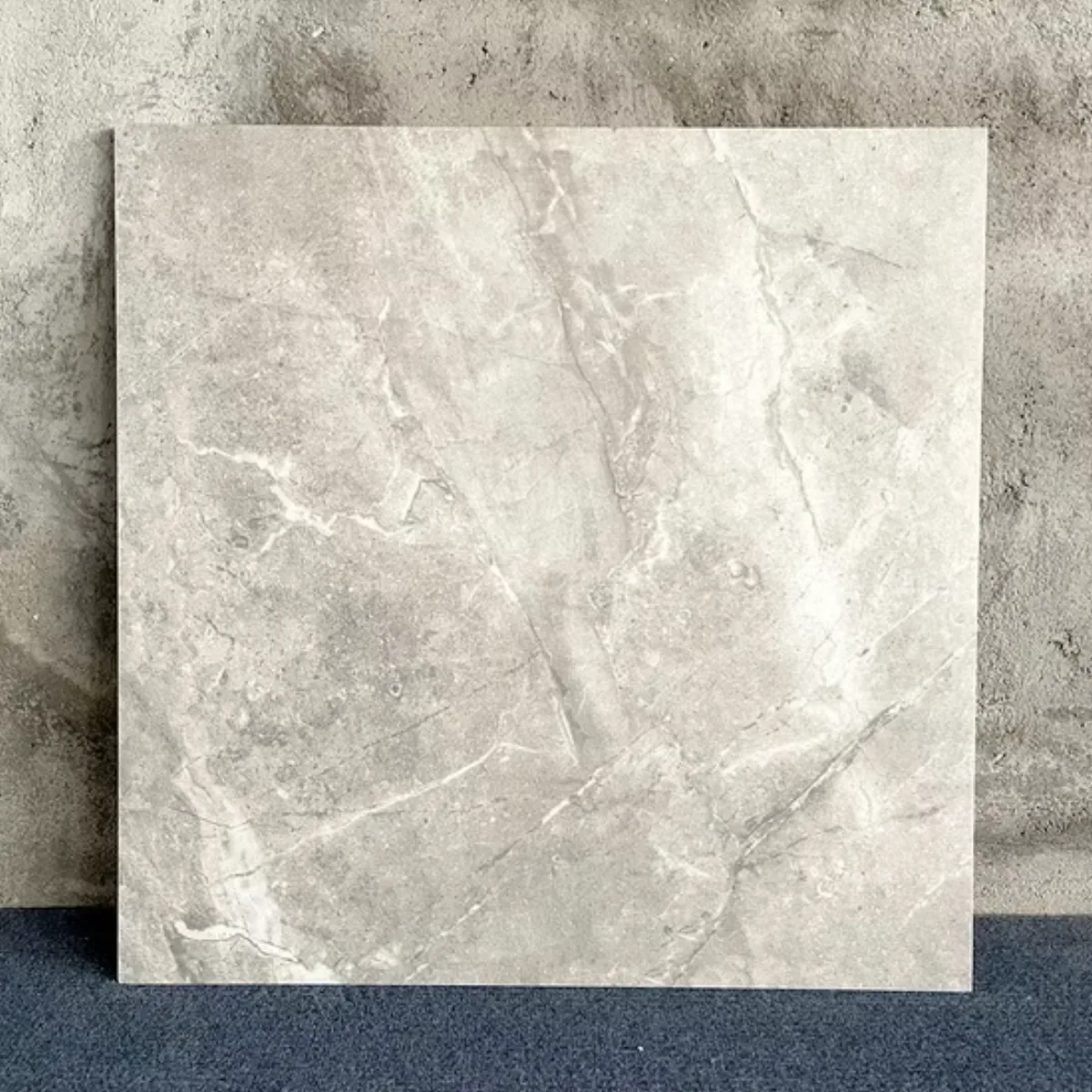
Wood look tile is porcelain made to resemble hardwood, and it is the better choice for bathrooms, entryways, and coastal homes where moisture is a factor. Real hardwood still wins on warmth underfoot and long-term resale value in dry, low-traffic rooms. The short version: pick wood look tile for wet rooms, high-traffic zones, and homes within a few miles of the coast. Pick real hardwood for living rooms, dining rooms, and bedrooms where feel and authenticity matter more than water resistance. We install both across San Diego County, with full pricing and product details on our tile flooring page and hardwood flooring page.
The wood look tile vs hardwood question comes up constantly in our consultations, especially with buyers who love the look of wood but do not want to worry about water damage. Modern porcelain printing has closed the visual gap significantly. This guide breaks down what wood look tile actually is, how it compares to real hardwood on every factor that matters, how to tell them apart once they are installed, and which one fits your rooms, your climate, and your budget.
- Pick wood look tile if: bathrooms, laundry rooms, entryways, coastal homes, homes with dogs, lower maintenance preference
- Pick real hardwood if: living rooms, bedrooms, dry inland homes, resale value matters, you want warmth underfoot
- Smart hybrid: wood look tile in wet or high-traffic zones, real hardwood in the rooms guests actually sit in
- Lifespan: wood look tile 50+ years (grout excluded) · hardwood 25-100 years depending on solid vs engineered
- Water resistance: Fully waterproof (tile) vs water-resistant to none (hardwood)
- Feel underfoot: Cool, hard (tile) vs warm, slightly forgiving (hardwood)
Trying to decide between the two for your home? Request a free in-home estimate or call +1 (619) 777-4334.
What Is Wood Look Tile
Wood look tile is porcelain tile manufactured with a high-resolution photographic layer that replicates wood grain, knots, and color variation, then fired at high temperature for durability. Modern digital inkjet printing applies a different image to nearly every plank, so a full floor does not show the obvious repeating pattern that older wood look tile lines had 10 to 15 years ago. Planks typically run 6 by 36 inches or 8 by 48 inches to mimic real hardwood board widths.
Because it is fired clay, wood look tile is completely waterproof, scratch-resistant, and immune to fading from direct sun. It will not warp, cup, or gap with humidity changes the way solid hardwood can. The tradeoff is that it is a harder, cooler surface underfoot, and it requires grout lines every few feet, which some homeowners find breaks up the look of a continuous wood floor. For full pricing and format options, see our tile flooring installation page.
What Is Real Hardwood Flooring
Real hardwood is milled from actual trees, either as solid boards or as an engineered product with a real wood veneer over a plywood core. No two boards look exactly alike, and the material can be sanded and refinished to remove scratches and change color over its lifespan. Species like oak, hickory, and maple each carry a different hardness rating and grain character.
The downside is that hardwood is sensitive to water and humidity. Standing water can cause cupping, staining, or delamination, and solid hardwood cannot go over a concrete slab at all. Most San Diego homes built since the 1980s sit on slab, so engineered hardwood is the more common choice locally. Our hardwood flooring page covers species, finishes, and install methods in more depth.
Wood Look Tile vs Hardwood Side by Side
Here is how wood look tile stacks up against real hardwood on the factors that actually decide which one belongs in your home:
| Factor | Wood Look Tile | Real Hardwood |
|---|---|---|
| Water resistance | 100% waterproof | Water-resistant (engineered) to none (solid) |
| Durability | Scratch and dent proof, grout can stain | Dents and scratches with heavy use |
| Comfort underfoot | Hard, cool, unforgiving on dropped items | Warmer, slight give, easier to stand on |
| Refinishing | Cannot be refinished, grout can be recolored | Solid 5+ times, engineered 1 to 3 times |
| Slab compatibility | Excellent, no moisture concerns | Engineered only, needs moisture testing |
| Resale value | Positive, seen as a premium finish | Strongest positive impact of any flooring |
| Lifespan | 50+ years, grout may need resealing every 3 to 5 years | 25 to 100 years depending on type and refinishing |
| Installation | Thinset and grout, 2-3 days for 1,000 sqft | Float, glue, or nail, 2 to 4 days plus acclimation |
How to Tell Them Apart in Person
In photos, good wood look tile and real hardwood are nearly impossible to tell apart. In person, there are a few reliable tells:
- Grout lines. Even with a narrow 1/16 inch grout joint, tile has a visible, repeating seam every 6 to 8 inches that real board-to-board hardwood seams do not create in the same rhythm.
- Temperature. Tile feels noticeably cooler to bare feet, especially in the morning or over an unheated slab. Hardwood feels close to room temperature almost immediately.
- Grain repetition. Budget wood look tile lines reuse the same 8 to 12 photographic patterns across a floor. Walk 15 feet and look for the same knot or grain swirl repeating. Premium lines and real hardwood both avoid this.
- Sound underfoot. Tile has a harder, slightly hollow-sounding step, especially over a slab. Hardwood, particularly engineered over an underlayment, sounds and feels softer.
- Edges and transitions. Tile has a hard, perfectly square edge at every threshold. Hardwood boards have a milled edge with a slight bevel or micro-bevel that catches light differently.
Which Is Better for Coastal and Humid Rooms
San Diego's coastal neighborhoods add a real variable to this decision. Salt air and higher ambient humidity within a few miles of the ocean accelerate the seasonal expansion and contraction that solid hardwood is already prone to, and they raise the risk of moisture-related issues even with engineered wood over a slab.
Wood look tile removes that variable entirely. It does not care about salt air, humidity swings, or the higher indoor moisture that comes with beach houses that get opened up to ocean breeze most of the year. For entryways, mudrooms, and homes within a mile or two of the coast, we default to recommending wood look tile or, as a middle option, rigid-core luxury vinyl plank, which is also waterproof but feels warmer underfoot than tile at a lower cost than porcelain.
Cost Comparison
Here is what wood look tile and real hardwood typically cost fully installed in San Diego:
| Flooring Type | Material Cost/sqft | Installed Cost/sqft | 1,000 sqft Total |
|---|---|---|---|
| Wood look porcelain tile (standard) | $3.00 - $6.00 | $8.00 - $12.00 | $8,000 - $12,000 |
| Wood look porcelain tile (large format) | $5.00 - $9.00 | $10.00 - $16.00 | $10,000 - $16,000 |
| Engineered hardwood (oak) | $4.00 - $7.00 | $8.00 - $12.00 | $8,000 - $12,000 |
| Solid hardwood (oak) | $5.00 - $9.00 | $9.00 - $14.00 | $9,000 - $14,000 |
Standard wood look tile and mid-range engineered hardwood land in a similar price band per square foot. Large-format tile (48 inch planks) costs more to install because it requires a flatter substrate and more careful layout. Where tile pulls ahead is total cost of ownership: no refinishing bill every 8 to 12 years, and no risk of a moisture claim in a wet room.
Can You Tell the Difference Between Wood Look Tile and Real Hardwood
Yes, but usually only up close or underfoot. From across a room, high-quality wood look tile is convincing. Standing on it, walking in bare feet, or looking closely at the grout lines and edge bevels will reveal it within a few seconds for most people who know what to look for.
Installation and Maintenance
Wood look tile installs with thinset mortar over cement backer board or a properly prepped slab, followed by grouting, generally following Tile Council of North America (TCNA) substrate and setting-bed standards. A 1,000 square foot room typically takes 2 to 3 days including cure time. Maintenance is sweeping and damp mopping, with grout resealed every 3 to 5 years to resist staining.
Real hardwood, whether solid or engineered, is installed per National Wood Flooring Association (NWFA) guidelines, which call for acclimating the wood to the room for 5 to 7 days before installation and using the correct fastening or floating method for the subfloor. Maintenance is sweeping and barely-damp mopping, avoiding standing water, with a refinish every 8 to 12 years to renew the surface.
Frequently Asked Questions
Is Wood Look Tile as Good as Real Hardwood?
For durability and water resistance, wood look tile is better. For warmth underfoot and long-term resale ceiling, real hardwood is better. Neither is objectively superior, the right pick depends on the room, the moisture exposure, and whether resale or practicality matters more to you.
Does Wood Look Tile Look Fake?
Budget wood look tile with an obviously repeating pattern can look fake once you notice it. Mid-range and premium lines use dozens of unique digital printouts per pallet and staggered layout patterns, which make the repeat far harder to spot and generally read as convincing wood from normal viewing distance.
Can You Put Wood Look Tile in a Bathroom?
Yes. Wood look tile is one of the best options for bathrooms because it is fully waterproof and handles splashing, humidity, and standing water around tubs and showers without any risk of warping or staining that real hardwood would face in the same room.
How Do You Tell Wood Look Tile from Real Hardwood?
Look at the grout lines, which repeat at a regular interval that hardwood seams do not. Feel the temperature, tile is cooler underfoot. Check the edges, tile has a hard square edge while hardwood has a milled bevel. Walking a longer stretch of floor also reveals any repeating printed grain pattern.
Is Wood Look Tile More Expensive Than Hardwood?
Standard wood look tile and mid-range engineered hardwood cost roughly the same per square foot installed, around $8 to $12. Large-format wood look tile can run higher due to substrate prep. Over 20 years, tile often costs less overall because it never needs refinishing.
Does Wood Look Tile Feel Cold Like Regular Tile?
Yes, wood look tile carries the same thermal properties as any porcelain tile and feels cool underfoot, especially in the morning or over an unheated slab. Radiant floor heating, available as an add-on during installation, resolves this if warmth underfoot is a priority.
Can Wood Look Tile Be Installed Over a Concrete Slab?
Yes, and it is one of the best flooring options for a concrete slab. Tile has no moisture sensitivity, so it skips the calcium chloride testing and vapor barrier work that engineered hardwood requires, and it can go down as soon as the slab is flat and cured.
Does Wood Look Tile Crack the Way Hardwood Scratches?
Wood look tile resists scratches completely since the surface is fired porcelain, but individual tiles can crack under a heavy point impact, such as dropping a cast iron pan. Hardwood scratches more easily from everyday traffic and pet claws but rarely cracks outright.
Which Lasts Longer, Wood Look Tile or Hardwood?
Wood look tile itself can last 50 years or more since porcelain does not wear out, though grout needs periodic resealing. Real hardwood lasts 25 to 100 years depending on solid versus engineered construction and how many times it gets refinished over its life.