
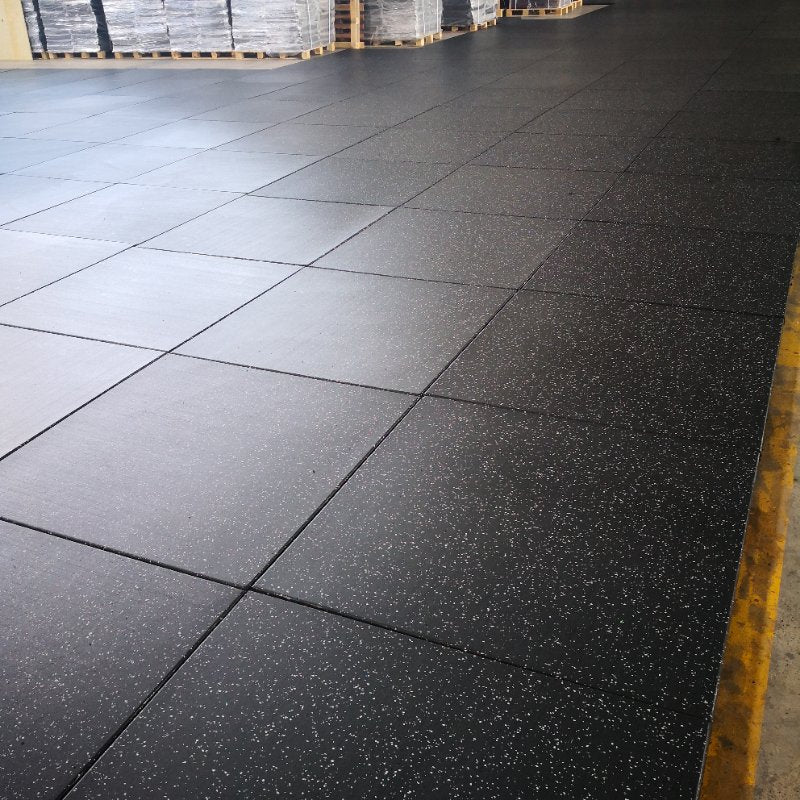
Rubber flooring is one of the lowest-maintenance floors you can install, but low-maintenance is not zero-maintenance. Unlike VCT, rubber needs no stripping or waxing, but the wrong cleaner or a season of direct sun can still shorten its life or leave it looking worn well before it actually is.
We install and maintain rubber flooring across San Diego for home gyms, garages, commercial fitness facilities, and daycare play areas, and this guide covers the actual cleaning routine, what to avoid, how to handle a lifted seam or tile edge, and how residential and commercial maintenance schedules actually differ.
Have a rubber floor that needs attention? Request a free in-home estimate or call +1 (619) 777-4334.
Daily and Weekly Cleaning Routine
Rubber flooring's cleaning routine is genuinely simple, which is one of its biggest advantages over a finish-dependent floor like VCT. Sweep or vacuum first to clear grit, sand, and dust that can otherwise grind into the surface underfoot and dull it over time. Follow with a damp mop or auto-scrubber pass using a pH-neutral cleaner made for rubber flooring, working in manageable sections so the floor is not left standing wet for long stretches.
For a home gym or garage, a weekly vacuum and an occasional damp mop is usually enough between heavier sessions. For a commercial gym or daycare seeing daily foot traffic, a daily dust mop or auto-scrubber pass followed by a damp mop with neutral cleaner keeps grit from building up in high-traffic lanes. Spot-clean spills as they happen rather than letting sweat, drink spills, or tracked-in dirt sit and dry into the surface.
Cleaners and Chemicals to Avoid
Most damage to rubber flooring over its life comes from the wrong cleaning product, not from foot traffic or equipment use. Avoid these categories entirely on rubber:
- Ammonia-based cleaners, including many glass and all-purpose cleaners, which break down the polyurethane binder that holds rubber granules together over repeated use.
- Citrus-based cleaners, popular as a "natural" option but chemically aggressive toward rubber's binder in the same way as harsher solvents.
- Bleach and chlorine-based disinfectants beyond what a product label specifically rates for rubber flooring, which can discolor and dry out the surface.
- Solvent-based cleaners and strippers, which can soften or dissolve the surface of some rubber products entirely.
- Steam mops, which force heat and moisture into seams and edges that rubber flooring is not designed to handle repeatedly.
A neutral pH cleaner, diluted mild dish soap, or a product specifically labeled for rubber gym or rubber gasket flooring are all safe choices. For a daycare or childcare setting specifically, our daycare flooring requirements guide covers EPA-registered disinfectant options that are both safe for rubber and appropriate for a space with small children.
Residential vs Commercial Maintenance Schedules
| Setting | Sweep/Vacuum | Damp Mop | Deep Clean |
|---|---|---|---|
| Home gym or garage | Weekly | As needed, roughly biweekly | Rarely needed beyond routine mopping |
| Commercial gym | Daily | Daily to every other day | Auto-scrubber pass weekly in high-traffic zones |
| Daycare play area | Daily | Daily, plus spot disinfecting through the day | Full disinfecting clean at closing daily |
The difference in schedule comes almost entirely from traffic and use, not from the rubber itself needing different care by setting. A commercial facility or daycare simply generates more grit, spills, and contact points per day than a home gym does, so the same basic routine just repeats more often.
Handling Lifted Seams and Tile Edges
Heat-welded rolled rubber, standard on commercial installs, has no seam to lift, since the two pieces are fused into one continuous surface. Taped rolled seams and interlocking tile edges are a different story and need occasional attention. If a tile corner or a taped seam starts to curl or lift, re-adhering it with contact cement is typically a five-minute fix. Left alone, a lifted edge curls further, collects grit and moisture underneath, and becomes a trip hazard that takes longer and costs more to repair once it has fully separated.
Under permanent equipment like a squat rack, a fixed platform, or heavy machinery, adding an extra rubber mat or furniture pad at the equipment's contact points spreads out point-load wear so the base flooring does not compress unevenly in the same spots over years of use.
Sun Fade and How to Slow It
Direct sunlight is one of the few long-term risks to rubber flooring that has nothing to do with cleaning. Rubber left under a south-facing window or a garage door that stays open most of the day can fade from a deep black or bold color to a grayish, washed-out tone over several years, especially on darker recycled SBR product. Premium EPDM product generally holds color better under UV exposure than recycled SBR, which is part of why EPDM is standard for outdoor and daycare surfacing that cannot avoid direct sun.
Where sun exposure is unavoidable, like an outdoor-facing garage door left open for hours daily or an uncovered daycare play area, closing blinds or a garage door during peak sun hours, or specifying UV-stable EPDM rubber from the start rather than trying to slow fading after the fact, are the two most effective options.
Removing Stains and Odors
Most everyday stains on rubber, sweat, dirt, and light grime, lift with a standard damp mop and neutral cleaner. Oil and grease stains in a garage setting respond well to a degreaser specifically labeled safe for rubber, applied and worked in with a soft brush before rinsing, rather than a harsh solvent-based degreaser that can damage the binder along with the stain.
For persistent odor, whether from new rubber off-gassing or from general use over time, ventilation does more than any cleaner. Open windows or a garage door and run a fan for the first week after a new install, and for an existing floor, a thorough sweep and damp mop followed by air circulation for a few hours usually resolves lingering odor that a spot clean alone does not.
Frequently Asked Questions
How Do You Clean Rubber Flooring?
Sweep or vacuum first to remove grit, then damp mop with a pH-neutral cleaner. For commercial or daycare settings with daily traffic, this routine repeats daily; for a home gym or garage, weekly is usually enough with spot cleaning as needed.
What Cleaners Should You Avoid on Rubber Flooring?
Avoid ammonia, citrus-based cleaners, bleach beyond label directions, solvent-based cleaners, and steam mops. All of these break down the polyurethane binder that holds rubber flooring together over repeated use, leading to a tacky, discolored, or degraded surface.
Does Rubber Flooring Need to Be Waxed or Sealed?
No. Unlike VCT, rubber flooring's color and performance come from the material itself, not a topical finish, so it never needs waxing, stripping, or resealing. Routine sweeping and damp mopping is the entire maintenance program.
How Do You Fix a Lifted Rubber Tile or Seam?
A lifted tile corner or taped seam edge can usually be re-adhered with contact cement in about five minutes. Heat-welded rolled rubber, standard on commercial installs, has no seam to lift in the first place, since the pieces are fused into one continuous surface.
Does Rubber Flooring Fade in Sunlight?
Yes, extended direct sunlight can fade rubber flooring's color over several years, more noticeably on darker recycled SBR product than on premium EPDM, which holds color better under UV exposure. Closing blinds or a garage door during peak sun hours slows this considerably.
How Do You Remove Oil or Grease Stains from a Rubber Garage Floor?
Use a degreaser specifically labeled safe for rubber flooring, worked in with a soft brush before rinsing. Avoid harsh solvent-based degreasers, which can damage rubber's binder along with lifting the stain.
How Often Does Commercial Rubber Flooring Need Deep Cleaning?
Most commercial rubber floors get a weekly auto-scrubber pass in high-traffic zones on top of daily sweeping and damp mopping. Daycare play areas typically need a full disinfecting clean daily given the setting, in addition to spot disinfecting through the day.